Athletes and medical device users face the same frustrating situation: an adhesive patch that does not stay where they put it. A runner applies kinesiology tape before a 10K and notices the edge lifting after the first mile. A CGM sensor patch peels away before the sensor's 14-day wear time is done. A sleep patch leaves a red line on the skin the next morning. These are not rare events, and they are not simply caused by poor application. The root cause is usually a mismatch between the patch and the conditions it has to survive. This article explains what goes into a reliable adhesive patch, how the main types differ, and how to select one for your specific scenario.
A reliable adhesive patch is decided by four measurable properties. Tack is the stickiness when you first press the patch onto the skin. Shear strength keeps the patch in place when the skin moves. Breathability, measured as moisture vapor transmission rate (MVTR), prevents sweat from building up underneath. Peel force is the amount of force needed for removal, and it must be low enough to protect the skin.
These properties affect each other. If a patch uses a very strong adhesive to stay on for seven days, it may also be difficult to remove without causing discomfort. If a patch uses a waterproof film to block moisture, it can trap sweat underneath, which leads to itching, wrinkling, and lifting at the edges.
The backing material is just as important as the adhesive. Cotton woven backing is strong, abrasion-resistant, and popular for sports tape. Nonwoven backing is light, soft, and common in fixation tapes and sleep patches. Elastic backing is designed to stretch with the body, making it suitable for knees, shoulders, and other moving joints. The material also determines whether a factory can die-cut the patch into specific shapes for a particular application.
In the past, many adhesive patches relied on rubber-based adhesives. These were effective, but they often caused skin sensitivity. Modern medical-grade adhesive patches use acrylic-based adhesives, which offer a better balance between tack, breathability, and low irritation. The adhesive can be modified to soften at body temperature and harden when cool, which helps the patch stay in place without limiting skin elasticity.
Different applications push different design tradeoffs. The three most common categories are CGM patches, sleep patches, and kinesiology patches.
Continuous glucose monitoring systems use an adhesive patch to hold the sensor on the arm or abdomen for seven to fourteen days. The patch must survive showers, sweat, clothing friction, and full-body movement during sleep. CGM patches usually use a breathable fabric with a medical-grade adhesive and a central cutout for the sensor. The adhesive must be secure enough to prevent the patch from lifting, but gentle enough to remove without harming the skin. This is a demanding balance, and it explains why CGM-specific patches exist as a separate product category.
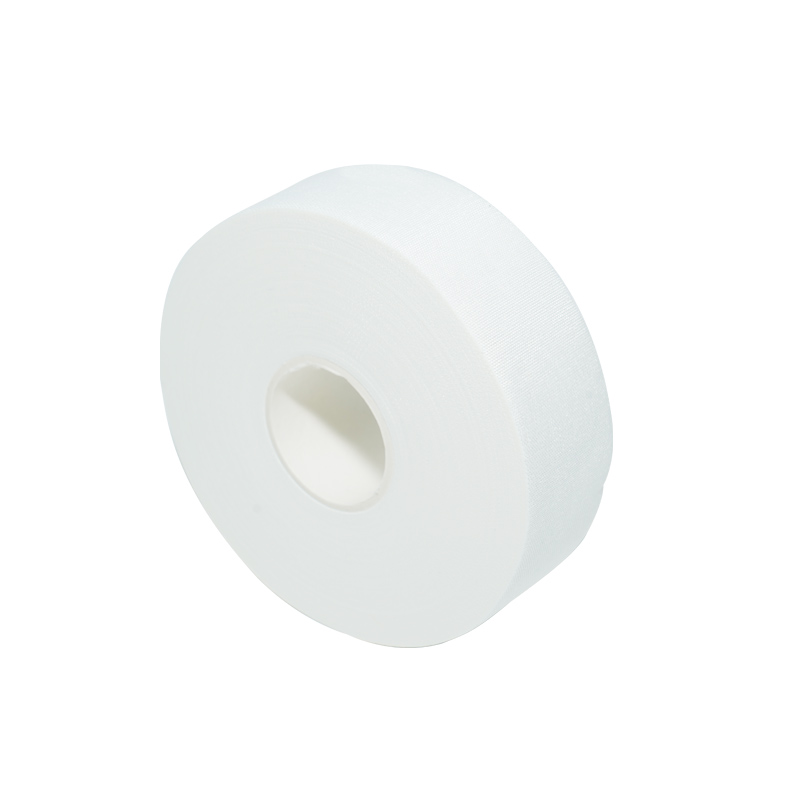
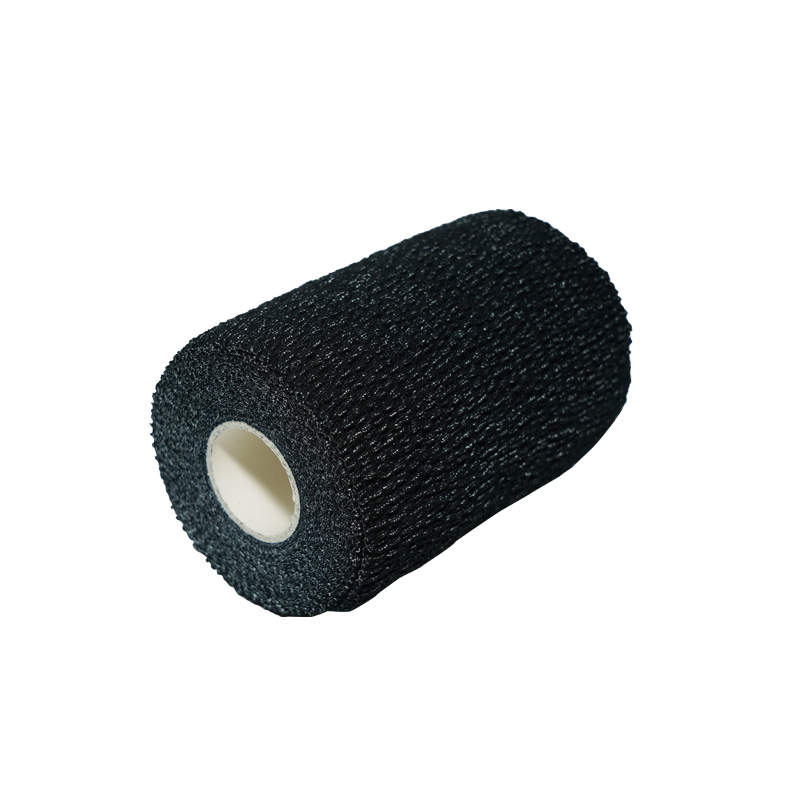
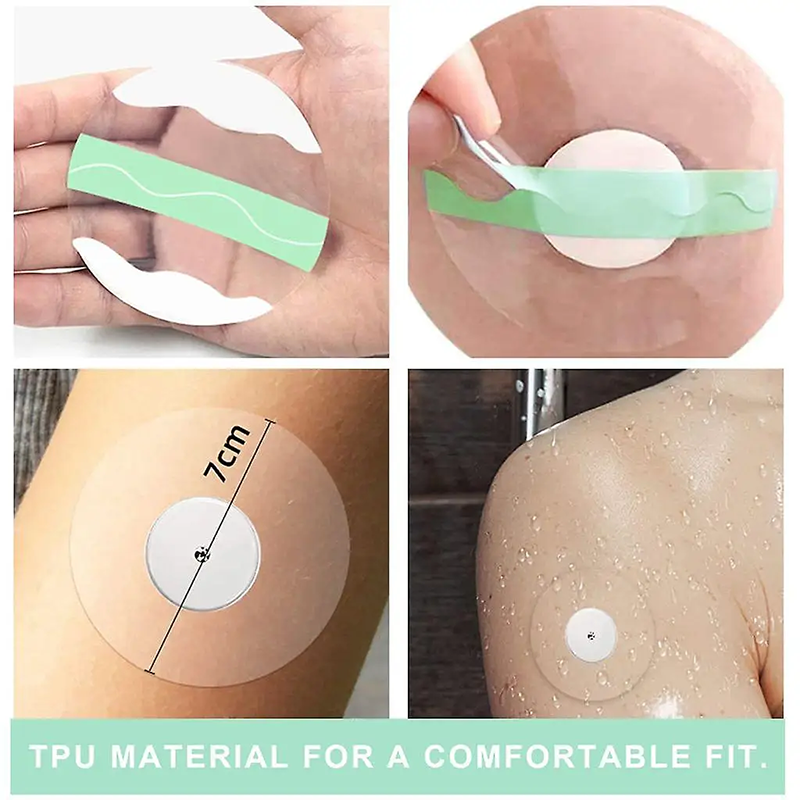 Durable CGM Adhesive Patch for Extended Sensor Wear This waterproof CGM patch holds sensors securely for up to 14 days, surviving showers and movement. Its breathable fabric and gentle adhesive balance long-term grip with clean removal. View Product →
 Sleep mouth patches are applied to the lips to support nasal breathing during rest. The wear time is short, usually six to eight hours, but the application area is one of the most sensitive parts of the body. A reliable sleep patch uses a soft, thin backing and a skin-safe adhesive that holds through facial movement and night sweating. It should peel off cleanly in the morning without leaving sticky residue or causing irritation. A product that fails here loses trust quickly, especially among e-commerce buyers who rely on repeat purchases.
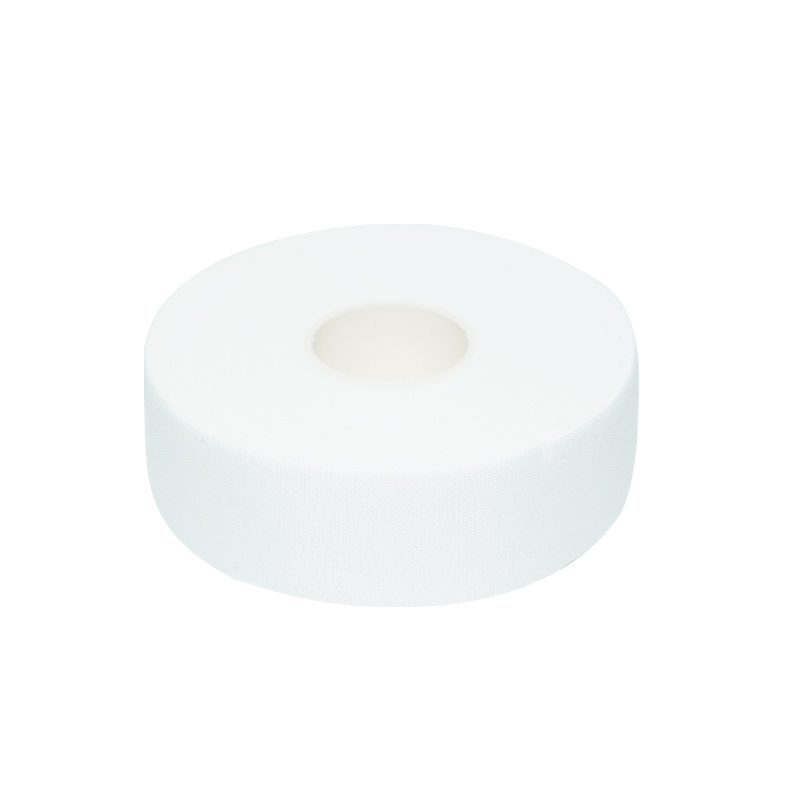
 Comfortable Sleep Mouth Tape for Nighttime Nasal Breathing Designed for short, overnight use, this flexible patch supports nasal breathing. Its skin-safe adhesive holds through facial movement and sweating, yet peels off without residue. View Product →
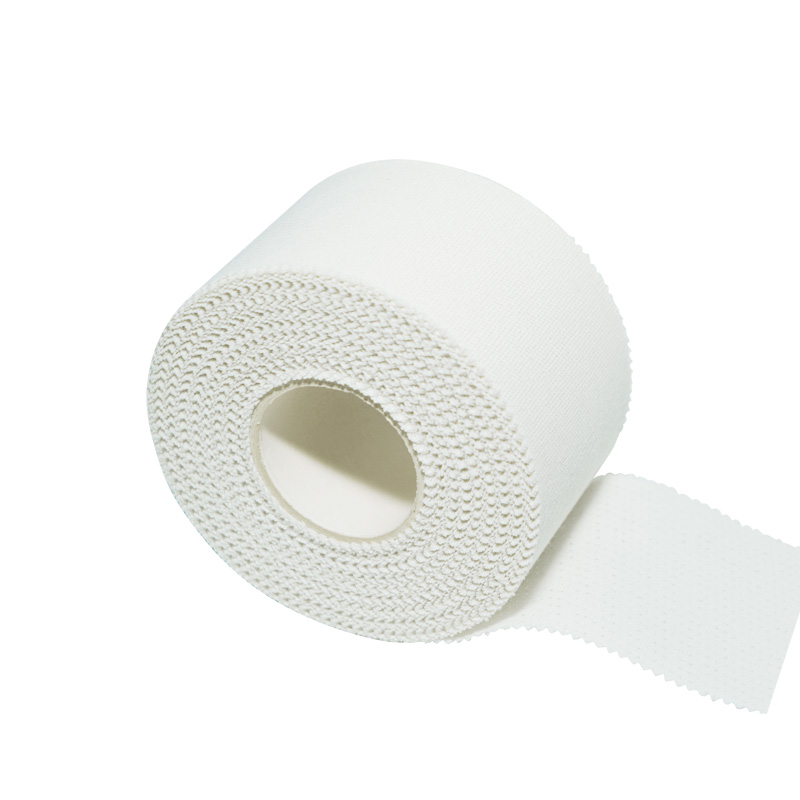
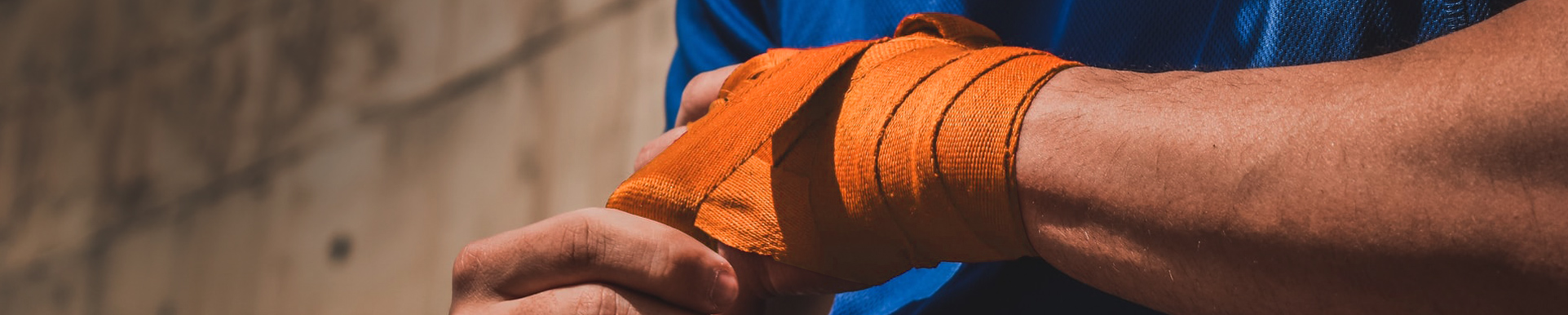
 Kinesiology tape patches are elastic and stretch with the skin while providing support to muscles and joints. Typical usage is two to five days, involving sweating, showers, and active movement. The adhesive needs to grip through all of that while the tape is under tension. Cotton patch kinesiology tape is a common choice for distributors because it balances stretch, breathability, and color consistency. Reflective and nylon versions are used for night training or specialized sports. Because the tape is on the skin for multiple days, peel force and residue are the first questions a professional buyer asks.
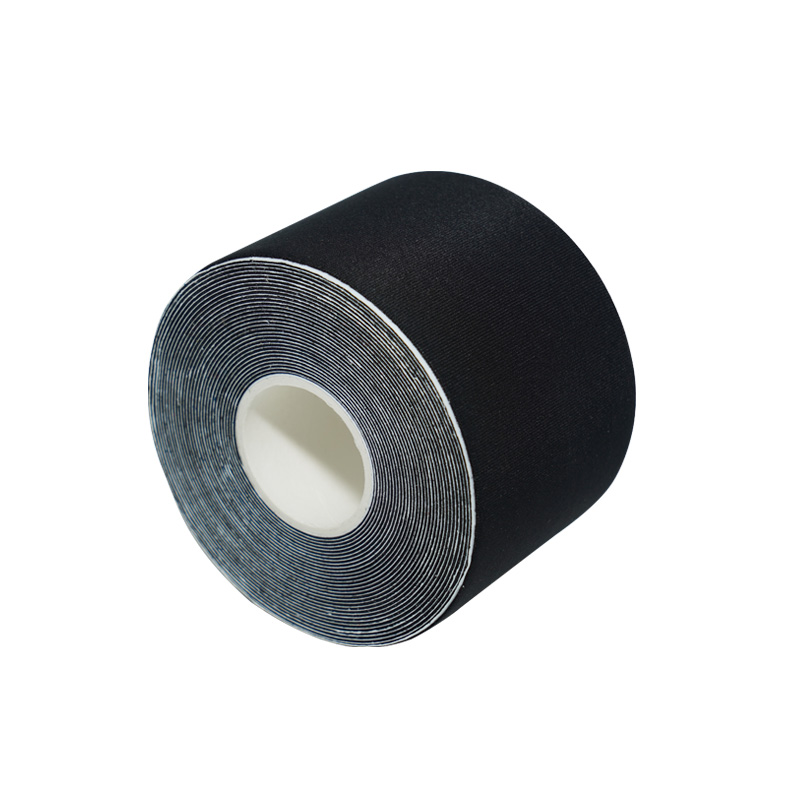
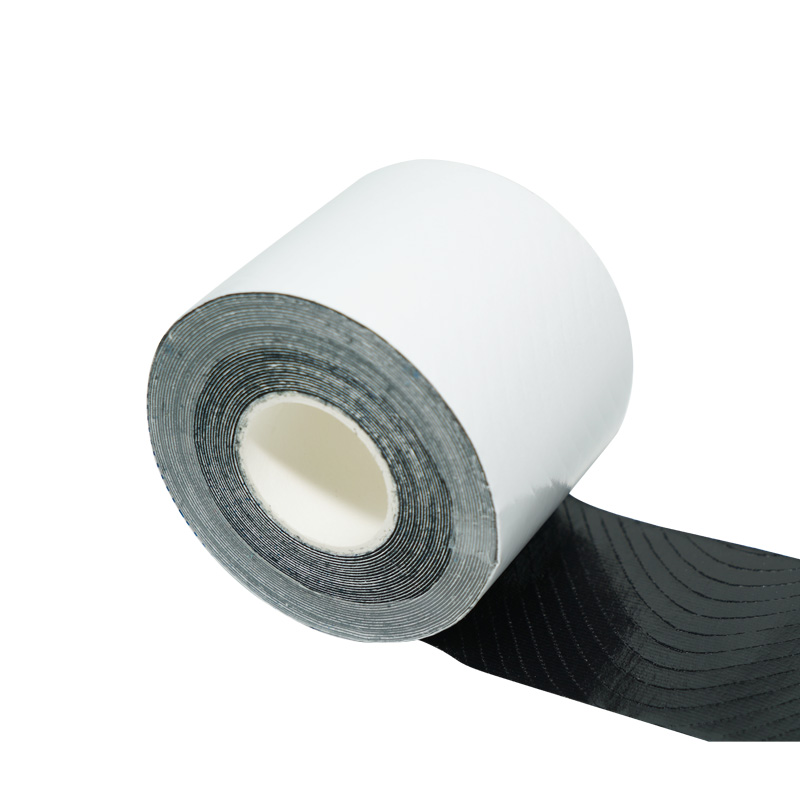 Elastic Cotton Kinesiology Tape for Muscle and Joint Support This cotton tape stretches with the skin, offering support during activity and multi-day wear. It balances breathability and adhesion, making it a reliable choice for sports and therapy. View Product →
 When evaluating adhesive patches, compare these attributes side by side. The benchmarks below are a practical baseline; the actual values depend on the patch's intended use and the quality of the manufacturing process.
| Criterion | What It Means | Typical Benchmark |
|---|---|---|
| Adhesion to skin | How well the patch holds during wear | No edge lifting for 5 to 7 days |
| Breathability (MVTR) | Moisture vapor transmission rate | Higher value equals less trapped sweat |
| Skin compatibility | Latex-free, hypoallergenic adhesive | Dermatologically tested |
| Peel force | How much force is needed on removal | Low enough to avoid skin trauma |
| Stretch and conformability | How well the patch follows body contours | Elastic backing for joints |
For medical use, the key considerations in choosing an adhesive patch for medical use include allergies, intended wear time, and the patient's skin condition. For sports use, the priority shifts to motion and moisture. For retail and private-label brands, the most useful data to request from a factory are the MVTR value, peel force test results, and whether the product has been dermatologically tested.
Application starts with skin preparation. Clean the skin with mild soap and water, dry the area thoroughly, and wait two to three minutes before applying the patch. Do not use moisturizer or cream on the site, because oil weakens the bond. Shave the area if necessary, but allow the skin to settle before patch application.
Place the patch gently and press from the center outward. Run your finger along the edges to activate the adhesive fully. For large patches, apply tension control so the patch does not ride up. Do not overstretch, because tension blisters can form under the patch.
Removal is equally important. Press down on the skin in one direction as you peel the patch back at a low angle. If the patch is on a sensitive area, use a medical adhesive remover. Pulling quickly is a common cause of skin tears, and this is particularly relevant in elderly patients. A detailed walkthrough can be found in this guide on how to apply adhesive patch .
For distributors, e-commerce sellers, and private-label brands, the adhesive patch is a functional component that must meet tolerances. The most important supplier capability is in-house coating. A factory with its own coating lines can control adhesive thickness, set formula parameters, and adjust tack to match your application. This control translates into a consistent product, and it also enables the facility to produce two different adhesive products simultaneously.
A second area to evaluate is quality control. Ask how the factory inspects coating weight and adhesive uniformity. The best factories use online detection equipment and maintain a clear quality control process for each batch. Ask about the tolerance range for adhesive weight. A narrow tolerance means fewer patches with weak areas or excessive tack.
Packaging also matters. Adhesive patches can lose efficiency through humidity and contamination. Individual pouches, whether foil or paper, can extend shelf life. If you sell through Amazon, ask about FBA-compatible packaging and barcode printing. A manufacturer that supplies FOB, CIF, and FBA delivery can simplify your logistics significantly.
For smaller purchasers, look for a factory that supports small-batch customization. This allows you to test colors, die-cut shapes, and packaging with your customers before committing to a container. Customization also includes brand and product design, which improves retail competitiveness. A manufacturer like Jiaxing Heao Medical Equipment Co., Ltd. presents a typical sourcing option. Founded in 2016 and positioned as a sports tape manufacturer, the company operates two coating lines and supports OEM/ODM customization. It can produce adhesive patches, kinesiology tape, and CGM patches alongside its broader sports and medical tape range, and it offers small-batch orders for testing and validation.
Adhesive patch selection should start with a simple question: how long does the patch need to stay on, and what skin type is the user? From there, compare adhesion, breathability, peel force, and stretch across available options. Test the patch in realistic conditions, and then order a small batch before a large production run.
The adhesive patch is a small component, but it carries a large share of user experience. When it fails, the entire product fails. Selecting a patch with the right adhesion, breathability, and peel force for the intended wear time is not optional for brands that want repeat customers. For distributors, working with a manufacturer that can control the coating process, validate the product against your specification, and support private-label packaging reduces the risk of quality issues further down the line. Test, validate, and then scale.
 No.2653 Xinggong Road ، مدينة Pinghu ، مقاطعة Zhejiang ، الصين
 [email protected]
 +86- (0) 573-8507 6991
حقوق الطبع والنشر © hero-medical.com. كل الحقوق محفوظة
 الجملة مصنعي الشريط الرياضي
الصين شريط الرياضة الموردين
الجملة مصنعي الشريط الرياضي
الصين شريط الرياضة الموردين
The information provided on this website is intended for use only in countries and jurisdictions outside of the People's Republic of China.
 إنجليزي
 إسبانيا
 الفرنسية
 الألمانية